
 by
by How and why this example of vertical integration might be the future of retail
MURRAY, Utah — Since filing for bankruptcy in 2023, Bed Bath & Beyond has had a circuitous but ultimately impressive path to retail resuscitation. Its latest acquisitions not only clarify the company’s strategy but also hint at how some retailers might compete in the future: expanding from products to services.
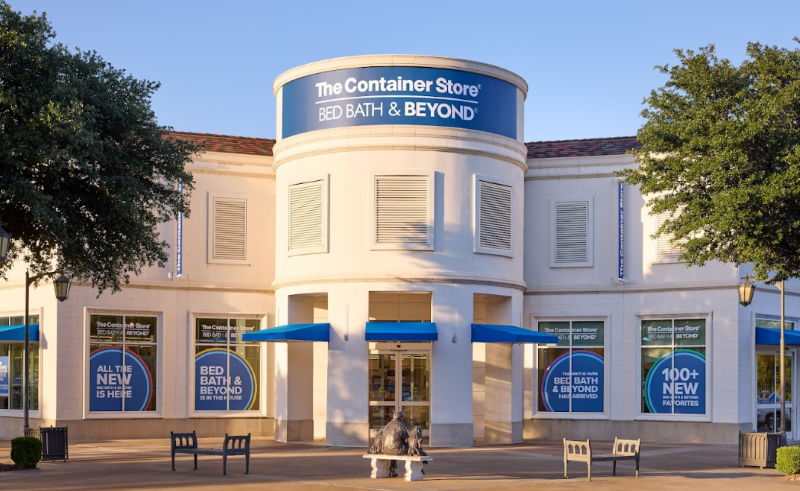
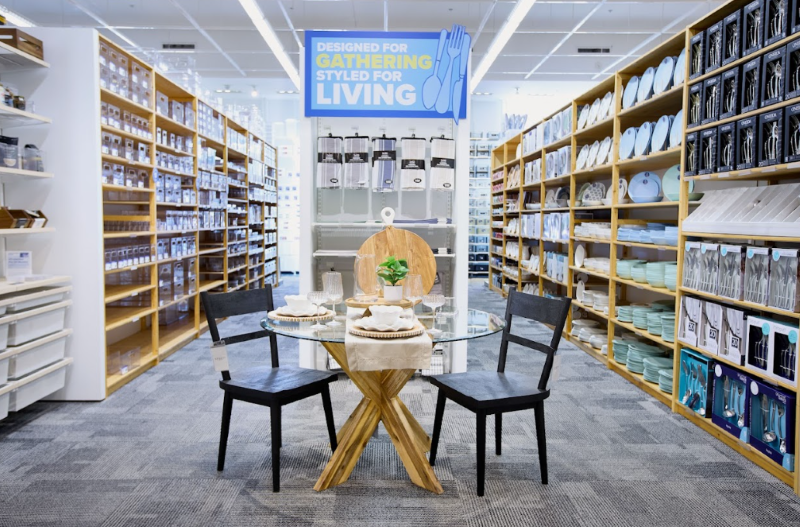
After Bed Bath & Beyond’s intellectual property was acquired by Overstock.com in August 2023, the brand returned to e-commerce. Then, in April, Bed Bath & Beyond Inc. acquired The Container Store, Elfa and Closet Works for $150 million. In May, Bed Bath & Beyond officially returned to brick and mortar with the opening of the first co-branded Bed Bath & Beyond and Container Store location in Fort Worth, Texas.
In an interview with Forbes, Bed Bath and Beyond Inc.’s new president, Amy Sullivan, elaborated on the hybrid retail concept.
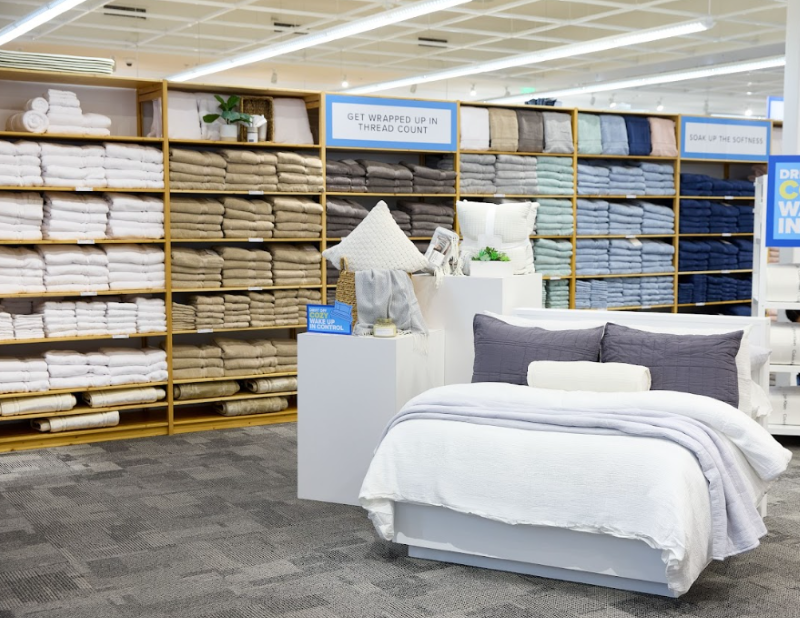
“The retail pillar of our everything-home vision is that Bed Bath & Beyond, Container Store and even the Kirkland’s acquisition all bring a different piece of home for the consumer that does not compete but complements,” she said. “Container Store has amazing real estate. As we think about omnichannel and really bringing brick and mortar back, their real estate was prime for us.”
That strategy became even clearer this week. While the Container Store acquisition expanded Beyond’s retail footprint, its latest acquisitions moved the company beyond retail altogether and deeper into home services.
Earlier this week, Bed Bath & Beyond Inc. announced its acquisition of companies Installed Right and SFV Services, based in Detroit. Installed Right and SFV Services specialize in installation, renovation, construction and project-execution capabilities.
According to a news release from Bed Bath & Beyond Inc., the acquisition is intended to “differentiate Bed Bath & Beyond from traditional retailers.” The company describes itself as having three pillars: “home services, retail and home transactions, and homeownership.”
In a statement, Marcus Lemonis, executive chairman and CEO of Bed Bath & Beyond, said acquisitions are not only about adding revenue; the company is also interested in acquiring capabilities that make its platforms and “Everything Home” ecosystem more valuable.
“The home services market remains highly fragmented, and we believe there is a significant opportunity to continue consolidating complementary businesses under the Beyond Home Services banner,” Lemonis added.
Bed Bath & Beyond’s aim to unite the fragmented home services market signals an interesting possibility about the future of retail. Much like manufacturers pursue vertical integration, retailers could increasingly aim to do the same with a suite of services that own more of the customer’s journey.
In the future, I believe some retailers will become more vertically integrated to stay competitive. That does not mean every retailer will, or should, follow this model. But for those with the means to pursue it, the implication is significant. The whole-home strategy won’t just be about designing and filling rooms but building and renovating them.