
 by
by CEO Andrew Koenig talks about how new categories such kitchens, closets, bath products, and even fitness equipment will create an easier shopping experience for the consumer
TAMARAC, Fla. — After more than 50 years in business, Fort Lauderdale, Florida, retailer City Furniture is changing its name to City Home, a move that reflects its expansion into new product categories, a new visual identity and its ambition to become consumers’ “first stop for all things home,” according to CEO Andrew Koenig.
The City Home name and expanded concept will debut at the company’s Plant City and Clearwater, Florida, showrooms. The rollout will continue to its 23 other Florida locations during the remainder of 2026 and into 2027.
“City Furniture has always been more than just furniture,” Koenig said. “We’ve sold a lot of mattresses. We sell a lot of home decor. So we needed to make that natural change to City Home.”
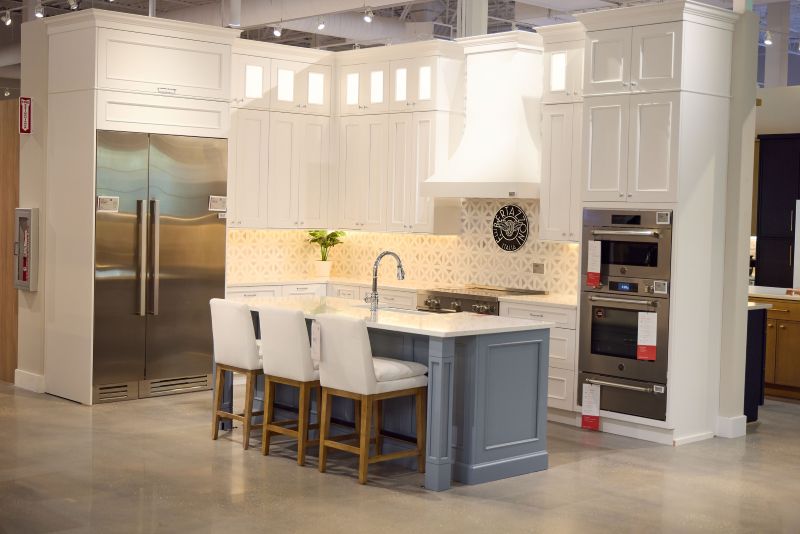
City Home will carry new merchandise categories, including appliances, kitchens, closets, bath products, home electronics and fitness equipment. Koenig forecasts that of the new categories, appliances will likely be its highest performing, but said that assortments will expand and contract appropriately as the company learns what customers need. The retailer has also expanded its suite of services to include interior design, custom cabinetry, storage solutions and dedicated trade services for builders and designers.
“We’re constantly trying to help our customers and solve more problems for them,” Koenig said. He added that company data showed customers often struggle to navigate a fragmented furnishings and installation marketplace, particularly when moving into a new home.
That challenge is reflected in a 2024 Furniture Shopping Trends study, which reported that shoppers browse an average of three websites and visit three stores in person before making a purchase.
But Koenig also recently experienced those challenges firsthand. A couple of years ago, he had a new home built for himself and his family and described furnishing it from top to bottom as a difficult process.

“It was unbelievable how many places I had to go to shop,” he recalled. “If you want the best deal or right inventory levels or good lead times, it’s really hard. For customers building or moving into a new home or a new apartment, this move is definitely going to be for that particular customer who needs a lot of things all at once in a short period of time.”
As for why now is the right time for this expansion, Koenig said the retailer is constantly evolving.
“We’re always trying to improve our business and make it a better business model,” he said.
Koenig said the retooling of City Home was a huge opportunity to satisfy the company’s existing customers and welcome new ones.
Behind the scenes, Koenig said his teams have made a “Herculean” effort to roll out these changes over the past two years, from design to merchandising to inventory.
“I can’t say their praises enough,” Koenig added. “They’re so proud but also so committed to creating a much better shopping experience.”
Despite the additional merchandise categories, Koenig said inventory expansion has been seamless thanks to the company’s existing four warehouses throughout Florida. But Koenig said the expanded assortment is not designed to overwhelm shoppers.
Inside the updated stores, curation will continue to be a key part of its strategy.
“Whereas Amazon and Wayfair might have seven, 20, 60 million SKUs, we’re going to break that down and say, ‘Here’s the best curated versions,’” Koenig added. “We think all these curated categories together under our one roof make the shopping journey pretty exciting for our customers.”
Koenig said the retailer has always used a lifestyle merchandising model, which creates vignettes in cohesive styles such as modern farmhouse or coastal, rather than grouping products by category only. The new categories such as appliances, home entertainment and fitness will have dedicated showroom spaces, but also will be sprinkled into some of the lifestyle vignettes to represent the retailer’s whole-home strategy.
City Home is also increasing its focus on hospitality. Although the retailer already offers free cookies and a daily happy hour with a complimentary first drink for shoppers, it will also introduce a wine bar.
“We’re going to have a main kitchen in these stores where you might see chefs cooking and feeding you while you’re shopping and passing you a glass of champagne, while you’re looking at kitchens and appliances,” Koenig said.
Outside the store, Koenig said there will be manned barbecue grills, serving items such as brisket sandwiches before they even walk in the door.
“We are truly going to live another level of retail theater and make shopping fun,” Koenig said.
City Home’s broadened hospitality initiatives are part of its larger effort to differentiate the company from other retailers.
A few years from now, Koenig said, he will measure the success of the transition by four criteria: customer satisfaction, achieving its financial goals, making sure his employees are inspired by the business they work for and expanding the company’s philanthropic efforts. The company has always given at least 5% of its profits back to the community. By expanding its business, Koenig is hopeful to do even more.
“I’m very confident we’re going to take good care of the customer,” he said. “And there’s nothing more powerful than that word of mouth, and that drives repeat business loyalty.”