 by
by What retailers need to know about trends and strategy ahead of the spring market
HIGH POINT — Ahead of High Point Market, which officially kicks off on April 25, retailers are navigating a different landscape than in previous years. Consumer demand is more intentional, with shoppers prioritizing quality and longevity over volume. A slower housing cycle is driving more refresh and replacement purchases rather than full-home projects. At the same time, ongoing tariff pressures and supply chain adjustments are continuing the focus on pricing, margins and vendor diversification.
“Instability is the new norm; always be ready for change,” said Caroline Johnston, manager, buyer relations, home at Andmore. Logan Avidon, who is the director, buyer relations, home at Andmore, added that retailers who arrive with a clear plan focused on value, in-stock opportunities and strong supplier partnerships will be best positioned for success. Below, Johnston and Avidon share how retailers can make the most of the upcoming market.
Home News Now: What is different about this High Point Market compared to prior years?
Logan Avidon: What feels different about this upcoming High Point Market is a shift toward more intentional buying. Over the past few years, there has been a lot of urgency driven by supply chain challenges and demand spikes. Now, retailers are coming in more focused, prioritizing margin, assortment clarity and long-term value. It’s less about reacting and more about refining.
What’s your advice for a retailer this season?
LA: Treat market like a strategy session, not just a sourcing trip. The retailers who win at High Point Market are the ones who come in focused on margins, assortment gaps and execution, scheduling time to come back to what catches their eye and the discovery of new, exciting things to distinguish themselves from their competitors.
What’s the biggest opportunity for retailers right now?
LA: Curating with intention. Focus on differentiated products and give customers a reason to buy a product they can’t find elsewhere in the store, using strong storytelling and in-stock inventory that meets today’s more selective, value-driven consumer.
How can retailers translate market inspiration into compelling in-store experiences?
LA: Retailers should think beyond the product and focus on the story behind it. What they see at High Point Market — whether it’s a trend, a material or a lifestyle concept — needs to be translated into how it’s presented in-store. That means creating vignettes that feel intentional, training sales teams to speak to quality and function, and curating assortments that make shopping feel cohesive and inspiring. The goal is to help the customer not just see the product, but understand how it lives in their home.
How should retailers prioritize their time if they only have a few days to spend at market ?

Caroline Johnston: Retailers need to be intentional. Day one is for core vendors and key appointments — handle the business first. After that, shift into discovery mode. The Suites at Market Square are where you’ll find emerging brands and new ideas, while IHFC and Interhall offer a highly efficient way to see a broad mix of products quickly. The best strategy is a balance of discipline and curiosity — plan your priorities, but leave room for the unexpected finds that often define market.
What’s a gap in the market retailers could capitalize on?
LA: Better serving millennial and Gen Z consumers by delivering the aesthetic they’re looking for at a price point that reflects today’s economic realities. This is a customer balancing student debt, higher interest rates and rising costs of living, so value and accessibility matter just as much as design. Retailers who can bridge that gap by offering style-forward, well-priced assortments are going to win. We’re already seeing vendors like Salted Oak and Modus Furniture do this well, combining trend-driven design with attainable pricing.
Which product categories or price points are you expecting to see the most innovation in this season?
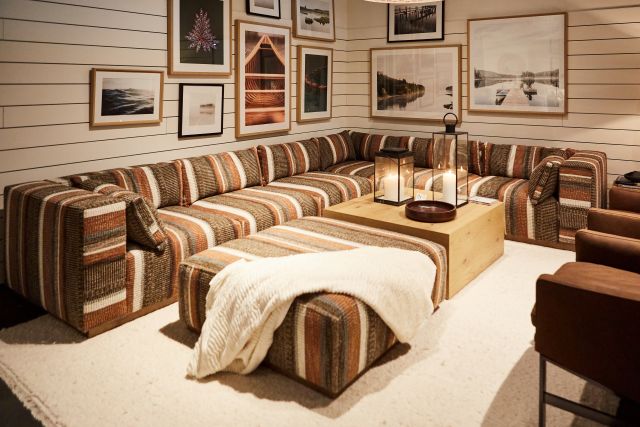
CJ: We’re seeing innovation where design meets function. Upholstery is becoming smarter and more lifestyle-driven, lighting is leaning sculptural and statement-making, and case goods are getting a functional refresh, giving retailers more to say and sell beyond just aesthetics.
Which market events are a must-attend for retailers?
LA: I love the tours — Future Snoops and The Suites at Market Square in particular. Future Snoops gives a highlight of overall trends to look for as you walk around market. The Suites gives retailers a great overview of these innovators, all in one hour. The keynote is always a highlight, providing inspiration for the year going forward. Also, specifically as a retailer, I would look at the plethora of seminars offered by the Home Furnishings Association. They are always a wealth of knowledge.

What should retailers priorities be post-market?
LA: What happens after High Point Market is just as important as what happens on-site. Retailers should be ready to act quickly — finalizing orders, aligning assortments and translating what they saw into clear merchandising and marketing plans. It’s also the time to train sales teams on new product stories and key differentiators. The retailers who see the most impact are the ones who don’t let the momentum fade; they turn inspiration into execution while it’s still fresh.