
 by
by Several new finishes also aim to capture the natural beauty of the species’ grain patterns
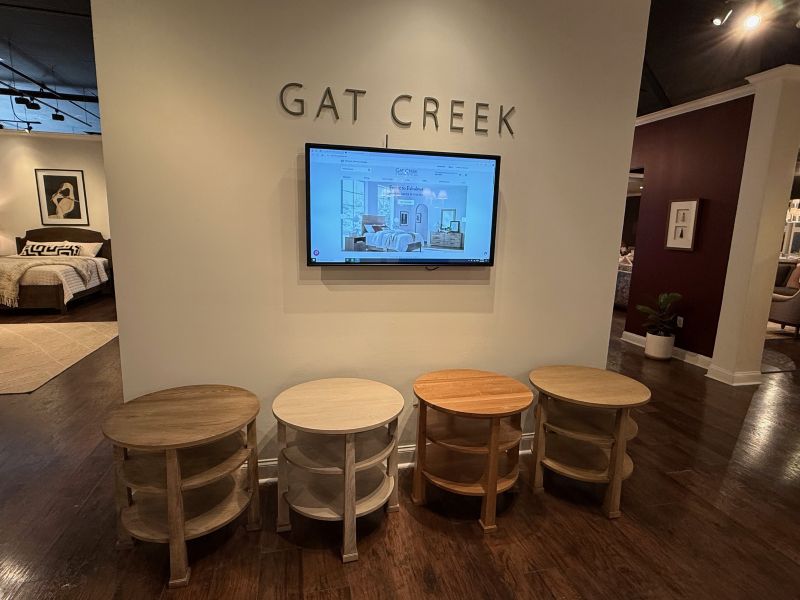
BERKELEY SPRINGS, W.Va. — Case goods manufacturer Gat Creek is expanding its solid wood mix this market with the addition of white oak and several new finishes that aim to capture that natural beauty of its grain patterns.
Currently the company’s mix of wood species in order of use for its residential furniture line are maple, ash, walnut and cherry. It has used white oak on some commercial projects in the past and also for some OEM customers, but not in its own residential line.
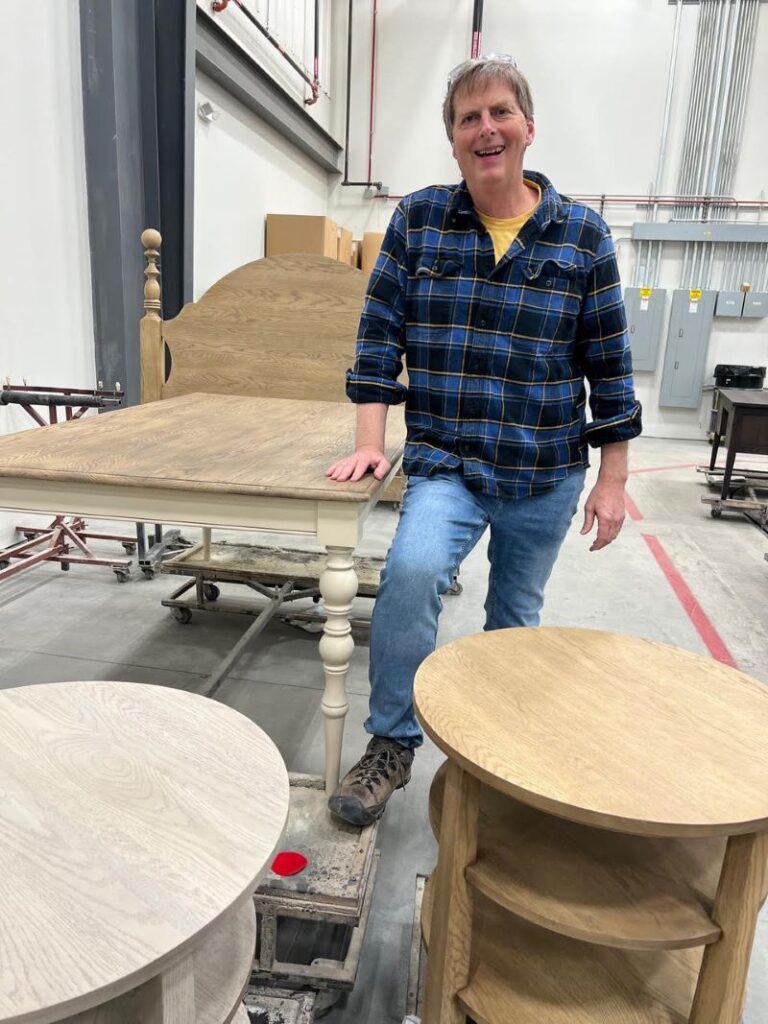
The timing of the offering coincides with the reduction in supply of ash because of destruction to ash trees caused by the emerald ash borer beetle. Infestation by these pests has been known to cause severe damage and ultimately death to ash trees in recent years.
“Ash at some point in time will no longer be commercially available,” said Gat Creek President and CEO Gat Caperton, noting that ash also has a beautiful grain pattern that makes it appealing for use in furniture.
But the shortage has caused the company to seek alternatives that are similar in grain pattern.
“You basically have two options, red oak or white oak,” he said. “Red oak is a fantastic wood, but it’s red and red tones today still are not typically prized. And white oak is really a misnomer because it isn’t really white. But it is not red.”
“Ash has long been a wonderful wood platform to do lots of finishes, designs and looks,” Caperton added. “But long term, the availability is going to become limited with ash, so we decided to move into the white oak. We thought that was more exciting than trying to make red oak not look like red oak.”
He said the company is starting to use white oak across the product line, which includes some 150 SKUs across bedroom, dining and occasional furniture. It also will be available in four new finishes: Dock, a lighter wood tone; Pier, a darker wood tone; Sail, a white tone; and Natural White Oak.
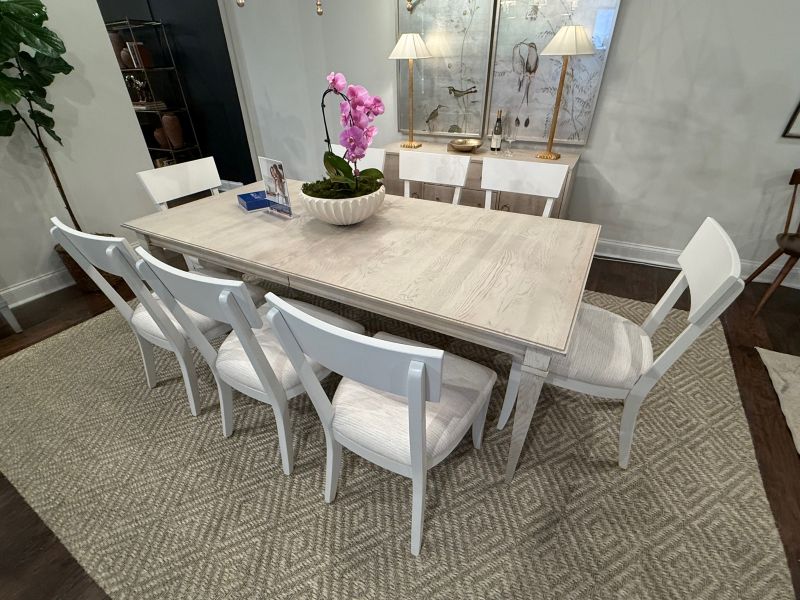
The finishes also will fall under its new acrylic urethane, which Caperton said provides a “super-durable, super-clear finish that doesn’t yellow. This is the perfect stuff to put on white oak.”
Previous top-coat finishing materials, he said, also would cover up what “makes white oak look so great.”
“And with lacquers of the world and varnishes of the world, they all turn amber in some way — they get a little bit of a yellow tint over time. So we wanted to avoid that. We wanted to make it look like we had a shiny coat on it, and we wanted to make sure that you still had protection and you can’t do that with the kind of traditional finishes that have been used in the United States in terms of lacquer and varnish.”
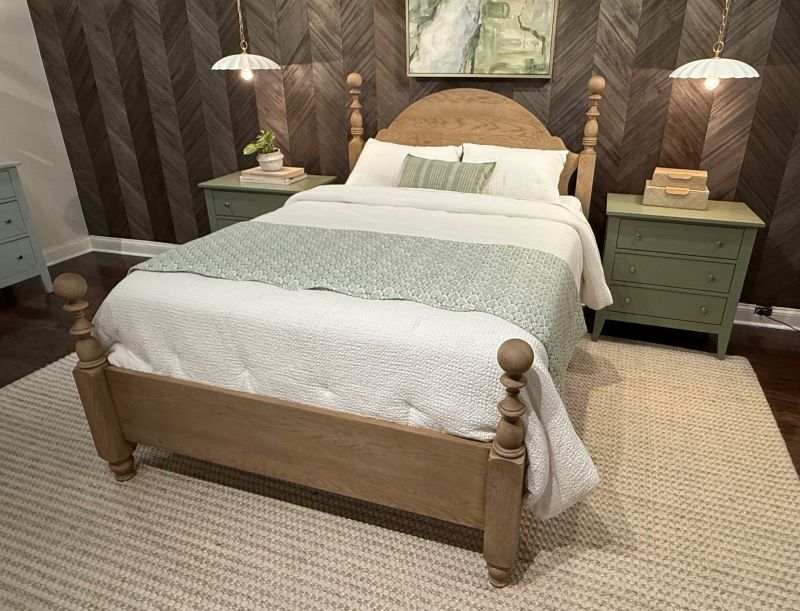
“You get super clarity and clarity with protection and a very light tone and natural feel,” he said of how the finish showcases the natural wood grain of white oak.
He also said that the use of a new species and a new finish can be even more interesting for customers than simply seeing a new case piece or different shape.
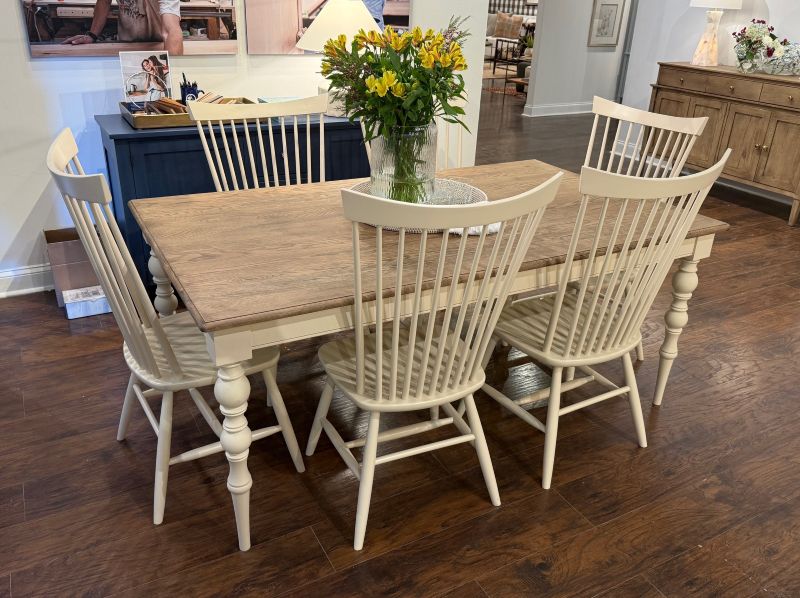
It’s going to be very exciting for our customer base,” he said. “It’s going to be really nice because we can apply it to a whole bunch of different shapes and boxes and approaches. It’s a lot of newness that’s going to attract lots of new customers, and I think it will give a nice new option for existing customers that will be different than what they currently work with us but not crazy different.”
Pricewise, he said that the white oak falls between the Appalachian hardwoods of red oak, cherry and ash, and walnut, which is the most expensive. Products now available in white oak, representing about 95% of the line, also will be available in its typical lead times of around five weeks.
“It starts shipping right away,” Caperton said of how soon customers can get the product. “We’re here to make furniture so we are going to make it for them.”
The products available in white oak can be seen at the company’s showroom at Space 311 North Hamilton.