
 by
by A fire at a major chemical producer in mid-March also has reportedly limited availability, placing some companies on allocation
HIGH POINT — Rising foam prices from domestic producers have added another level of uncertainty to the mix just as upholstery manufacturers prepare for the upcoming High Point Market.
Sources noted that increased costs of petroleum-based materials that go into foam used for seating are expected to raise the price of these raw materials between 15% and 20%. This could raise the price of upholstery right before the April High Point Market, particularly as foam accounts for a large percentage of the material that goes into a sofa, chair or sectional.
Also, a fire at chemical producer LyondaleBassell in Pasadena, Texas, in mid-March has reportedly limited the flow of materials used in the production of foam as it reportedly could take 90 days for the plant to come back to full or near full capacity. As a result, some manufacturers already are being placed on allocation, which limits how much foam they can receive for their upholstery production.
Both situations are starting to create additional volatility for an industry that is already facing price hikes on fabrics sourced overseas, not to mention fuel-related price increases for the transportation of these and other materials on containers and LTL trucks.
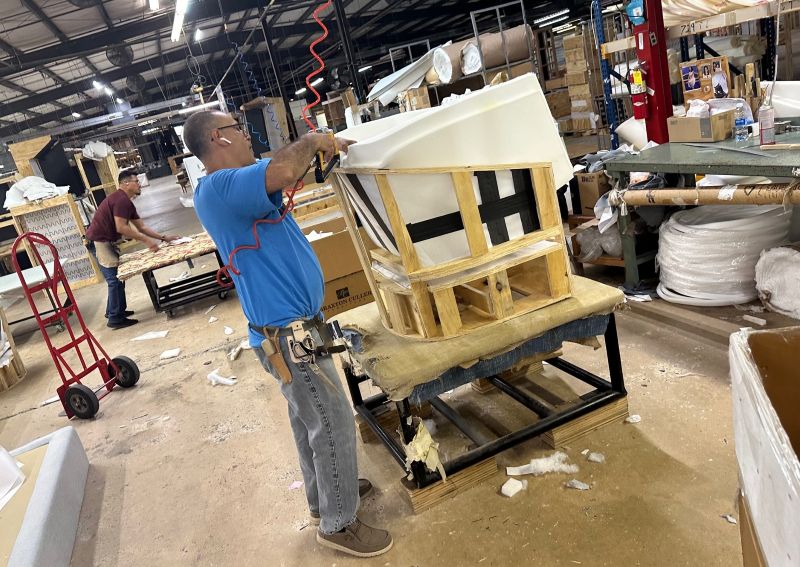
The first price increase on foam is expected to take effect around April 13, allowing sources time to price new shipments accordingly as they head into market.
One major manufacturer told Home News Now that it too is seeing double-digit increases on its foam and other petroleum derivative raw materials, “although some of the increases are in the single digits. This is not expected to correct itself in the near future, by the way. We are doing everything that we can to both reduce the increased percentage and to delay the implementation date.”
The company also said it is doing its best to “hold the line on our new market intros as they have been in the works for some time with a targeted price point in mind before this unfortunate situation arose.”
But sources have told Home News Now that this could be the first of several such increases. The next reportedly could be as high as double, or between 30% and 40%, should fuel prices continue at their current levels or go even higher depending on the outcome of the war in Iran.
“Currently there is a lot of speculation, and we are trying to manage through that, but we are managing it with facts and what information we have with our supply chain,” one manufacturer told Home News Now during a visit to its plant this week. “But allocations and price increases are starting soon. They are right around the corner.”
In some cases, companies could manage both the price increases and limitation in the flow of goods through spot purchases in the marketplace.
“Heading into the market, the focus is going to be on two things — what are the price increases, but more importantly who has the foam available to be able to produce product to ship,” the source noted. “To me I think that is going to be the bigger issue — where can I get the goods.”
Thus, manufacturers are already taking steps to address the challenges, either by going through other resources to get the materials, or bulking up on product before they are hit with price increases and allocations. This includes managing how they source fabrics, which also are susceptible to the impact rising oil costs are having on the production of yarn, dyes, chemicals, finishing processes and other areas of production.
“This is an incredibly volatile time in our industry,” another upholstery resource said in a letter sent out to customers this week. “Suppliers across our industry are experiencing similar pressures, and we are carefully monitoring the situation as it continues to develop.”
Steps this company said it has taken include preordering a large supply of foam before the allocation takes effect and obtaining large amounts of fabrics sooner versus later. The company also said it is dropping a significant number of fabrics “to ensure when your customers place orders we actually have the fabrics in-house and can fulfill the order.”
Yet sources interviewed for this story said that despite some of the best efforts, price increases are likely to hit right around the April market, adding another layer of volatility the industry has faced since tariffs were first announced roughly a year ago.
Some could address the increase in raw materials with a price increase, while others say they are more likely to impose a temporary surcharge, which could be dropped later depending on the price of oil and its impact on the cost of petroleum-based products.
To lessen the impact of pricing and availability, some also have said they will try to broaden their materials sourcing network, including foam suppliers overseas. But even those suppliers have reportedly been hit with petroleum-related price hikes.
Others said they can re-engineer product and materials in a way that is more cost efficient.
“There are a lot of variables involved, but we have a lot of options,” one manufacturer told Home News Now. “That is what we are looking at — what are our options and what makes the most sense moving forward.”
Others say they are bracing for the impact and letting customers know what to expect in the next few weeks as the rumors of price increases and potentially limited availability becomes a reality.
“We have already made our customers aware this is happening,” one manufacturer in Mississippi told Home News Now. We try to stay as transparent as possible.”
“We will have to pass it on sooner rather than later,” the source added. “Because we are not working on inflated margins we can just eat away. You try to keep it as low as possible through efficiencies and other measures, but things like this that are this big you have to react accordingly.”